Common Reasons Homeowners Need HVAC Replacements
Understanding the need for HVAC replacements is important for homeowners who want to maintain a comfortable and efficient indoor environment. This article explores common reasons HVAC systems may need to be replaced and what factors can impact overall performance. According to Yahoo Finance, the global HVAC market could reach $389.9 billion by 2029, though that is a market forecast rather than a business-specific metric. With continued advancements in heating and cooling technology and increasing efficiency expectations, knowing when to consider a system upgrade is an important part of home maintenance. In many cases, HVAC replacements can improve comfort, reduce strain on equipment, and support more consistent performance over time.
Aging HVAC Systems
Assessing Lifespan of HVAC Systems
The lifespan of an HVAC system typically ranges from 10 to 20 years, depending on usage patterns, installation quality, and maintenance history. Well-maintained systems may operate beyond this range, while others may require earlier replacement due to heavy use or lack of upkeep. Environmental conditions and frequency of operation can also influence how quickly a system ages. As systems get older, performance naturally declines, and homeowners may begin to notice reduced efficiency or comfort consistency. In many cases, HVAC replacements become a practical consideration once systems reach the later stages of their expected lifespan.
Identifying Signs of Aging Components
Aging HVAC systems often show noticeable signs of wear. These can include unusual operating noises, reduced airflow strength, or difficulty maintaining consistent indoor temperatures. Systems may also take longer to reach desired temperature settings or cycle more frequently than normal. These indicators often suggest internal components are beginning to deteriorate and may no longer operate at optimal performance levels.
Increasing Frequency of Repairs
When an HVAC system requires frequent repairs, it may indicate that the system is nearing the end of its usable life. Repeated service calls and part replacements can become costly over time. While occasional repairs are expected, ongoing issues may signal deeper system inefficiencies. At a certain point, HVAC replacements may be more practical than continuing to repair aging equipment that no longer performs reliably.
Rising HVAC Energy Costs
Connecting Efficiency of HVAC Systems and Energy Costs
There is a direct connection between HVAC efficiency and energy costs. More efficient systems require less energy to maintain desired indoor temperatures, while older or inefficient systems often consume more power. This difference becomes more noticeable during periods of extreme weather when heating and cooling demands increase. Maintaining system efficiency can help manage long-term energy expenses, and in many cases, HVAC replacements are considered when energy usage becomes consistently high.
Tracking Past and Present Energy Usage
One way to identify HVAC inefficiency is by comparing current energy bills to past usage patterns. If energy costs have increased without a significant change in household habits, it may indicate that the system is working harder than necessary. This can be a sign of declining performance or aging equipment that is no longer operating efficiently. Over time, this pattern may signal the need for HVAC replacements to restore balanced energy use.
Upgrading Outdated HVAC Technology and Energy Consumption
Older HVAC systems typically use outdated technology that is less efficient than modern equipment. Advances in system design and performance have improved how newer units regulate temperature and manage energy use. As a result, older systems may consume more energy to achieve the same level of comfort. Upgrading to newer equipment through HVAC replacements can help address this inefficiency and improve long-term performance.
Frequent HVAC System Breakdowns
Recognizing Commonly Failing Components
Certain components within HVAC systems naturally experience wear over time due to regular use. When these parts begin to fail, system performance can become inconsistent. Addressing recurring component issues is important for maintaining dependable operation and preventing further system disruption. When breakdowns become frequent, HVAC replacements may be considered as a long-term solution.
Managing Impact of Breakdowns on Daily Life
Frequent HVAC breakdowns can disrupt daily comfort and make it difficult to maintain stable indoor temperatures. Sudden system failures during extreme weather conditions can be especially inconvenient. Ongoing disruptions often indicate that the system is struggling to maintain consistent performance. In these situations, HVAC replacements may provide a more consistent long-term outcome.
Evaluating Cost of Frequent Repairs
Repeated repair needs can become costly over time. While individual repairs may seem manageable, the combined expense of ongoing service calls and part replacements can add up. Evaluating long-term repair costs versus HVAC replacements can help homeowners make more informed decisions. In many cases, replacement becomes the more practical financial choice.
Uneven HVAC Heating and Cooling
Examining Causes of Inconsistent Temperature Regulation
Uneven temperatures throughout a home can occur for several reasons, including aging equipment or systems that are no longer performing at peak efficiency. When an HVAC system struggles to distribute air evenly, certain areas of the home may feel warmer or cooler than others. These inconsistencies often indicate that the system may need servicing or evaluation for potential HVAC replacements. Addressing these issues early can help restore more balanced comfort throughout the home.
Understanding Effects on Home Comfort
Inconsistent heating and cooling can negatively impact overall home comfort. Temperature variations between rooms can make it difficult to maintain a consistent indoor environment. This can lead to ongoing discomfort and reduced satisfaction with system performance. In some cases, HVAC replacements are considered when uneven performance cannot be corrected through standard servicing.
Diagnosing HVAC Temperature Imbalance Issues
Temperature imbalance issues are typically identified through system performance evaluations. Technicians assess airflow and system operation to determine whether equipment is functioning properly. Homeowners may notice uneven comfort levels as an early sign that system performance is declining. These evaluations can help determine whether HVAC replacements are necessary.
Outdated HVAC Technology and Features
Reviewing Evolution of HVAC Technology
HVAC systems have advanced significantly over time, with improvements in efficiency, performance, and system design. Modern systems are built to operate more effectively than older units, offering improved temperature control and energy management capabilities. These advancements make newer systems more efficient and consistent for homeowners. In many cases, HVAC replacements are driven by the desire to access updated system technology.
Understanding Limitations of Older HVAC Systems
Older HVAC systems often lack the efficiency and performance capabilities of modern equipment. As systems age, they may require more energy to operate and struggle to maintain consistent comfort levels. These limitations can make replacement a practical option for improving overall system performance. HVAC replacements are often considered when older systems no longer meet household needs.
Exploring Advantages of Modern HVAC Systems
Modern HVAC systems offer improved efficiency, performance, and reliability compared to older models. These systems are designed to operate more consistently while reducing overall energy usage. Upgrading to newer equipment can improve comfort and system dependability. Many homeowners pursue HVAC replacements to take advantage of these performance improvements.
Environmental HVAC Considerations
Evaluating Environmental Impact of Older HVAC Systems
Older HVAC systems typically consume more energy, which can contribute to higher environmental impact over time. Reduced efficiency often results in increased energy usage to maintain indoor comfort. Replacing outdated systems can help reduce overall energy demand. HVAC replacements are often part of efforts to improve long-term energy efficiency.
Improving Efficiency With HVAC Replacement Options
Energy-efficient HVAC systems are designed to provide improved performance while using less energy. These systems help reduce overall consumption and support more efficient operation. Upgrading to modern equipment can contribute to both improved comfort and reduced energy use. Many homeowners choose HVAC replacements to support these efficiency goals.
For homeowners looking for professional heating and cooling support, including repair, maintenance, installation, and system replacement, 360 Heating & Air provides responsible service tailored to improving indoor comfort and overall system performance. To learn more about available HVAC solutions and service options, visit 360 Heating & Air.
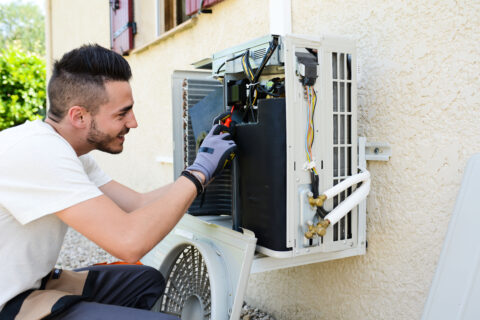
Your heating and cooling system is one of the hardest-working and most expensive pieces of equipment in your home, running through every season to…
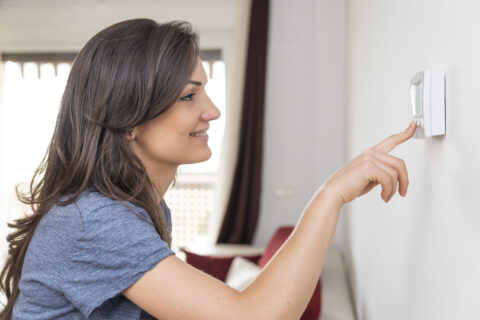
In the quest for comfort, optimizing your home’s heating, ventilation, and air conditioning (HVAC) system is pivotal for every season. Maintaining…